

Centaur: The Horseman's Dichotomy – eBook Review (Google Play Books)
Half human, half horse: the centaur is one of the strangest and most enduring images Greek mythology ever produced. Some centaurs in the old stories are drunken brawlers who wreck a wedding feast; one of them, Chiron, is the wise teacher of heroes. How can the same creature stand for both? Centaur: The Horseman's Dichotomy by ChatStick Team builds its whole book around that question — and around what the answer says about us. It is available now as an eBook on Google Play Books.
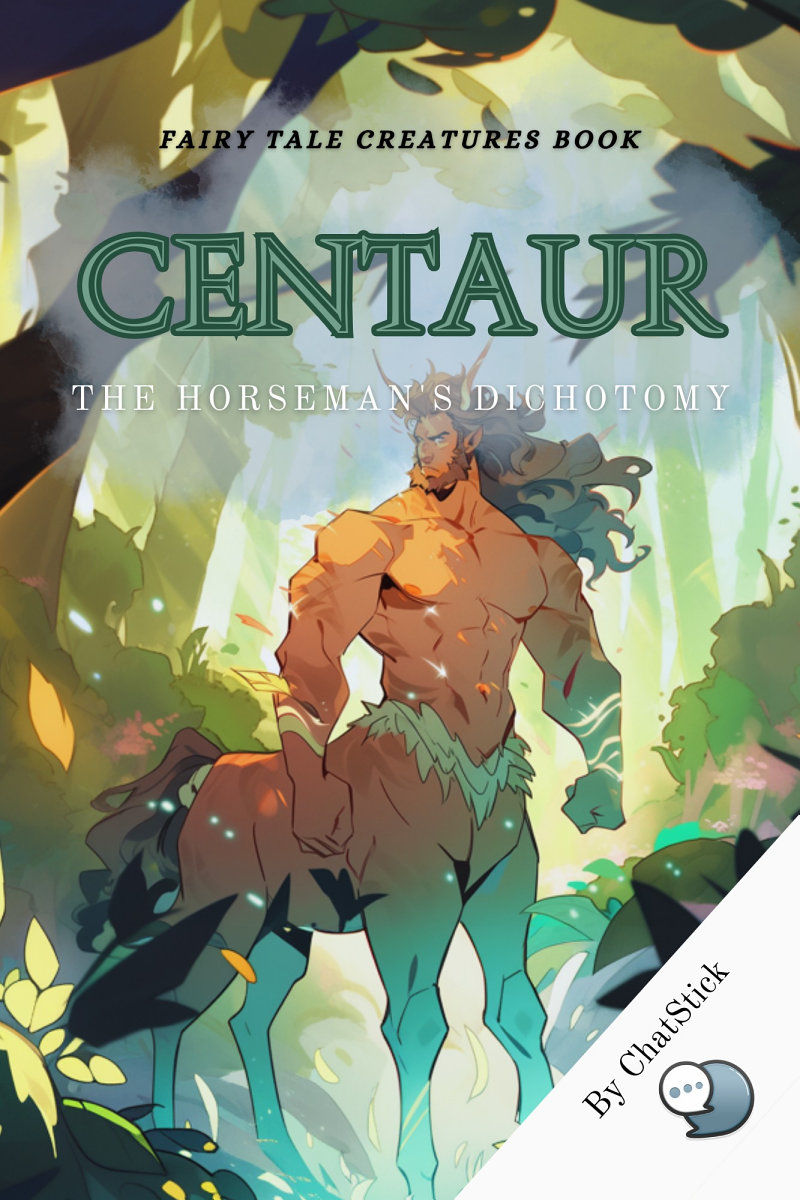
The book at a glance
Title: Centaur: The Horseman's Dichotomy
Author / publisher: ChatStick Team
Length: 119 pages · Published November 2023 · English
Format: eBook on Google Play Books — read on Android, iPhone/iPad, the web, or supported e-readers
Price: around US$2.99 (local prices vary by country)
Reading time: about 2–2.5 hours — a comfortable two-evening read
What the book covers
The book begins with origins — where the idea of a horse-bodied, human-torsoed being first took shape and how it entered the mythology of ancient Greece. From there it turns to the theme in its title: the dichotomy. Centaurs are presented as creatures pulled in two directions at once, capable of untamed wildness on one side and real wisdom on the other, and the book uses that split as its lens on everything that follows.
The middle chapters look at cultural impact: how the Greeks' portrayals of centaurs reflected their own values and fears about civilisation and the wild. The later part follows the centaur into modern interpretations in Hollywood films and video games, then closes by treating the creature as a mirror to humanity — a way of thinking about the inner struggle between instinct and reason that everyone recognises. The publisher describes the tone as friendly and accessible, and the book explicitly invites readers to explore the dichotomies within themselves and the world around them.
Why it's worth your time
One clear idea, followed all the way. Instead of a loose list of myths, the book organises everything around the centaur's wild-versus-wise nature, which makes it easy to follow and remember.
Myth as a window on the Greeks. The cultural-impact section shows what centaur stories reveal about ancient values and anxieties, not just what happens in them.
From temple friezes to game screens. The chapter on films and video games connects the ancient creature to the centaurs you have probably already met in fantasy stories.
Reflective, not just descriptive. The closing 'mirror to humanity' theme gives the book a thoughtful finish and makes it a good conversation starter for students and book clubs.
Who should read it
Greek mythology fans who want to go beyond the gods and look closely at one of its most symbolic creatures; readers of fantasy novels and players of myth-inspired games who are curious where the centaur came from; students and teachers looking for an accessible way into myth, symbolism and ancient culture; writers and artists who use mythic figures in their own work; and English learners who want engaging non-fiction in a friendly register. If you need an academic study of ancient sources, vase painting or archaeology, a longer scholarly book will serve you better — this is a readable, idea-led introduction.
If you enjoy this, try these next
The verdict
Centaur: The Horseman's Dichotomy is a focused, approachable introduction to a creature most people recognise but few have thought about deeply. Its strength is its framing: origins, Greek attitudes, modern films and games, and the psychological 'mirror' all hang on one memorable idea. Its tone is reflective and enthusiastic rather than scholarly, so readers who already know the myths well may find the retellings familiar and will get more from the interpretive chapters. For anyone curious why a half-horse, half-human figure has stayed with us for thousands of years, it is an enjoyable and affordable read — try the free sample first to see whether the style suits you.
Frequently asked questions
Where can I buy Centaur: The Horseman's Dichotomy?
It's sold as an eBook on Google Play Books for around US$2.99 (local prices vary). Open the book page, read the free sample, and buy with your Google account.
Can I read it on an iPhone?
Yes. Install the free Google Play Books app on iPhone or iPad, or read in any web browser at play.google.com/books.
What language is it in, and how long is it?
It's written in English and runs to 119 pages — most readers finish it in two to two and a half hours.
Who is ChatStick Team?
ChatStick Team publishes accessible eBooks on mythology and legendary creatures, historical figures, film and music legends, world history, science and technology. You can browse the full catalogue on Google Play Books.


Comments