

The Track Day Handbook: 7 Key Takeaways for Your First Day on the Circuit
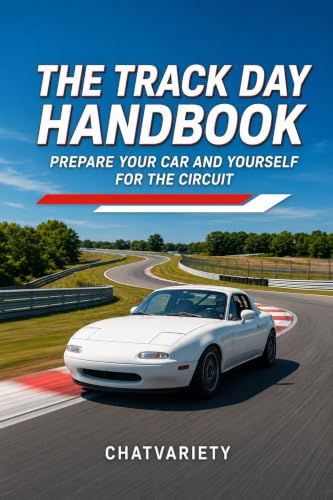
There is a moment every driving enthusiast remembers: the first time you roll out of the pit lane onto an open circuit in your own car, with no oncoming traffic, no speed cameras and a whole track ahead of you. A track day is the most accessible way to get there, but showing up unprepared can turn a dream day into an expensive one. A good track day handbook closes that gap, and that is exactly the promise of The Track Day Handbook: Prepare Your Car and Yourself for the Circuit by ChatVariety Team.
Rather than a chapter-by-chapter summary, this article pulls out the key ideas behind the book's two promises, preparing the car and preparing the driver, so you can decide quickly whether it belongs in your garage before your first event.
What this book is about
The subtitle says it plainly: prepare your car and yourself for the circuit. A track day (often called HPDE, high performance driver education, in North America) is an organized, non-competitive event where ordinary drivers take road cars onto a real race track in run groups, usually with flaggers, safety rules and often instructors. There is no stopwatch deciding a winner, but the speeds are real, so preparation matters on both sides of the steering wheel.
The book belongs to the Motorsport & Performance Tuning Series, a set of beginner-friendly guides that runs from karting and autocross to race car setup and engine tuning. This title sits right at the doorway: the step where a keen road driver becomes a track driver.
7 key takeaways for first-time track drivers
Brakes come first. A circuit asks more of your brakes in one session than a month of commuting. Fresh, high-temperature brake fluid and pads with plenty of material left are the single most important preparation for most road cars.
Tires and pressures change when hot. Check tread and sidewalls before you go, and expect pressures to climb as tires heat up. Checking them right after each session is a simple habit that keeps grip consistent.
Pass your own tech inspection before theirs. Oil and coolant levels, no leaks, a secure battery, correctly torqued wheel nuts and a cabin cleared of loose items are what organizers look for, and what keeps you and the drivers behind you safe.
The right gear is not optional. A helmet that meets the organizer's rating requirements, plus sensible clothing and thin-soled shoes, is the minimum. Read the event rules early so you are not turned away at the gate.
Flags and passing rules are the language of the track. Knowing what each flag means, and how passing works in your run group (often only on designated straights with a point-by in beginner groups), is what makes an open track feel calm instead of chaotic.
Smooth is fast, and smooth is safe. Looking far ahead, learning the racing line and being gentle with steering, throttle and brakes build speed far more reliably than bravery. A cool-down lap at the end of each session protects the car too.
Plan the costs and the risks. Entry fees, fuel, consumables and the fact that many standard car insurance policies exclude track use all belong in your planning. Knowing this beforehand lets you enjoy the day without nasty surprises.
Why it stands out
Most track day advice is scattered across forums, organizer PDFs and videos that each cover one piece of the puzzle. A single guide that treats the car and the driver as one preparation plan is far easier to act on, especially the night before your first event when you are trying to remember everything at once.
It is also refreshingly focused on the beginner. You do not need a race car, a trailer or a big budget to benefit; the whole point of a track day is that you can bring the car you already own. And at US$2.99 on Kindle or US$9.99 in paperback at the time of writing, the book costs a fraction of a single set of brake pads.
Who should read it
First-time track day drivers who have booked (or are about to book) their first event.
Sports car and hot hatch owners who want to explore their car's performance legally and safely.
Autocross and sim racers ready to step up to a full-size circuit.
Partners, friends and family looking for a thoughtful gift for the car enthusiast in their life.
Kindle or paperback?
Kindle (US$2.99 at the time of writing): on your phone in the paddock, easy to search for a checklist or a flag meaning between sessions.
Paperback (US$9.99 at the time of writing): a great garage companion for marking up your prep list, and a nicer choice if you are giving it as a gift.
More from the Motorsport & Performance Tuning Series
Autocross and Time Attack – low-cost motorsport for beginners, a great way to build car control before or between track days
Sim Racing to Real Racing – a driver development roadmap from the simulator to the real circuit
Race Car Setup – alignment, aero, tires and data, the natural next step once you are hooked on lapping
FAQ
Do I need a race car to do a track day?
No. Most track day and HPDE organizers welcome well-maintained road cars, which is exactly why preparing your own car properly matters. Always check the specific event's vehicle and safety rules.
Is this book suitable for complete beginners?
Yes. It is part of a beginner-friendly series and focuses on preparing both the car and the driver for the circuit, which is what first-timers need most. It complements, rather than replaces, instruction from your event organizer.
Is it available on Kindle and in paperback?
Yes. At the time of writing it is available on Amazon as a Kindle eBook for US$2.99 and as a paperback for US$9.99.
Final verdict
The Track Day Handbook is an affordable, focused companion for the most exciting step in amateur motorsport: taking your own car onto a real circuit. By treating car preparation and driver preparation as one plan, it targets exactly what decides whether a first track day ends with a big smile or a tow truck. If you have a track day on your calendar, or on your wish list, it is an easy recommendation.
Browse all books by ChatVariety Team on Amazon





Comments